




Five compact LaserJet Pro machines — the M12a and M12w printers and the MFP M26a, M26w and M26nw multifunctions — all draw on the same small black cartridge, the 79A (CF279A), which HP rates at about 1,000 pages. HP builds no second size for this platform: there is no larger 79X in its catalogue, and none on this shelf either. What the store offers instead is depth — one cartridge in six pack sizes, from a $25.48 single to a ten-cartridge box. Six listings carry it, every one a compatible and every one marked down as this page goes up. Buyers here skip the usual which-cartridge question entirely; the only decision on the table is how many cartridges travel in the box.
Everything these five machines consume arrives in one shape: the 79A cartridge, boxed six ways. The 2-pack at $34.88 fronts the shelf — two cartridges at 1.74¢ a page — because on a single-tier platform, depth is the only lever a buyer has on price. Below it the ladder runs through boxes of three, four, five and ten, each step shaving the per-cartridge price further, down to $11.01 in the deepest box. No genuine HP cartridge stands on this shelf; HP’s own $79.99 price appears further down for scale. What follows prices the six offers side by side, names the five models with their pages, explains the half-size cartridge a new machine starts with, and reports the chip position in exactly the terms the listings leave it.
One cartridge, six boxes — the only choice is depth
Most families in this store’s range ask two questions: which tier, then which box. This one asks only the second. Every offer below holds the same cartridge, built to the same specification and carrying the same HP rating of about 1,000 pages; the boxes differ in nothing but count. The ladder’s arithmetic never changes direction: each step up in count lowers what a cartridge costs — $25.48 at the single end, $11.01 apiece inside the ten-box — and the per-page rate tracks it down from 2.55¢ to 1.10¢.
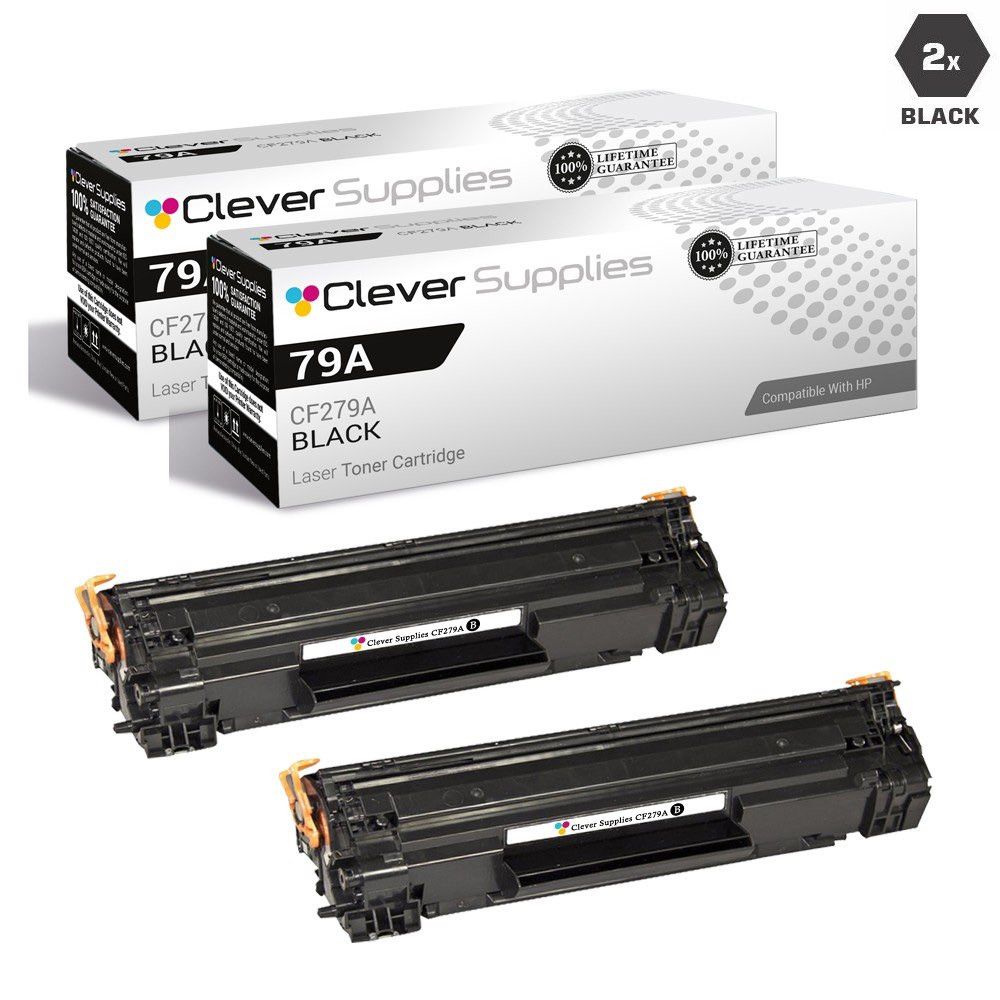
HP’s own shelf frames the pair sharply: a genuine CF279A is $79.99 there, so matching this box with genuine cartridges costs $159.98 — $125.10 more, for the same published rating.
Shop the 79A 2-Pack →ALSO ON THE SHELF — FIVE MORE SIZES
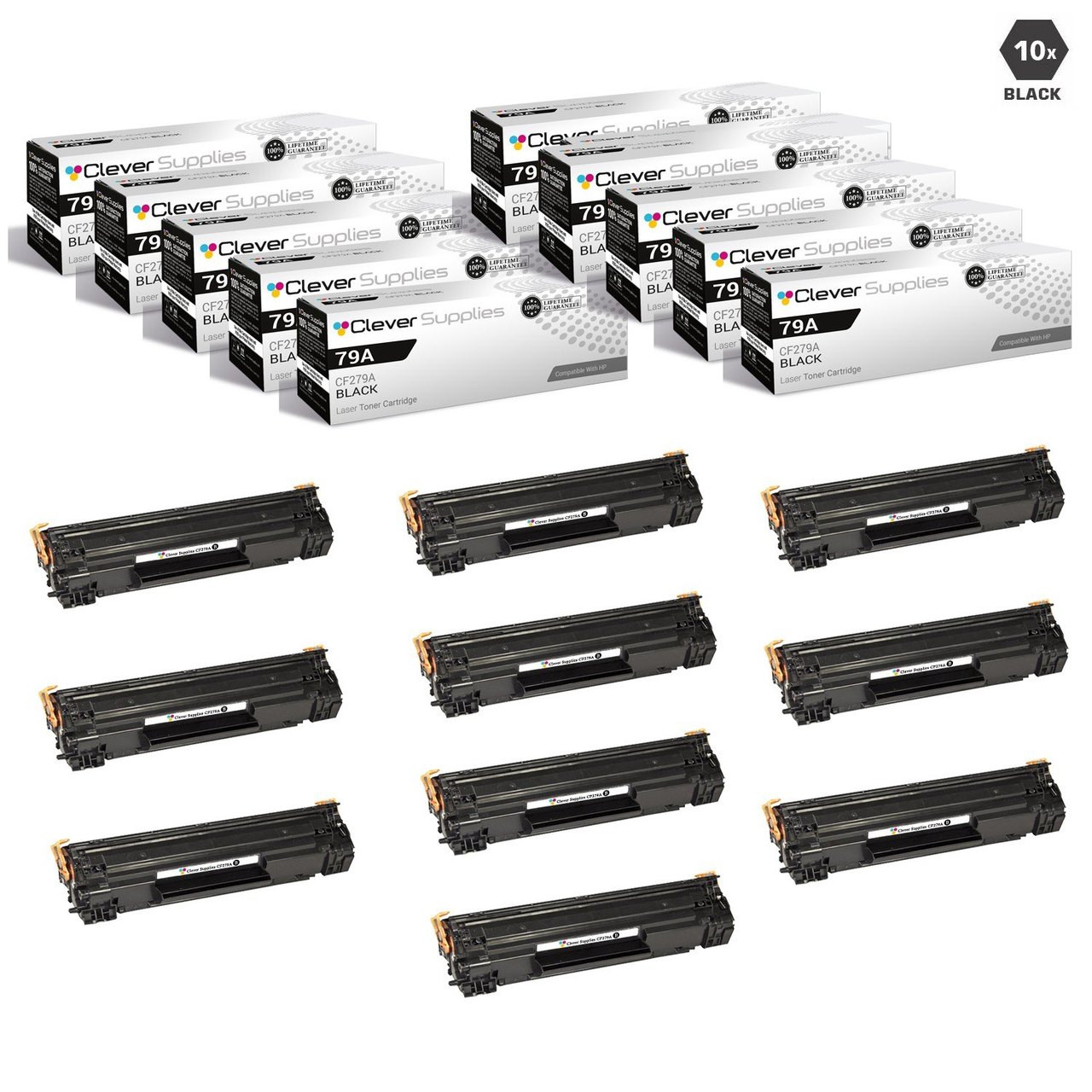
Ten at $11.01 each — the ladder’s floor per cartridge, for a shelf feeding several machines or one that prints every day.
Shop the 79A 10-Pack →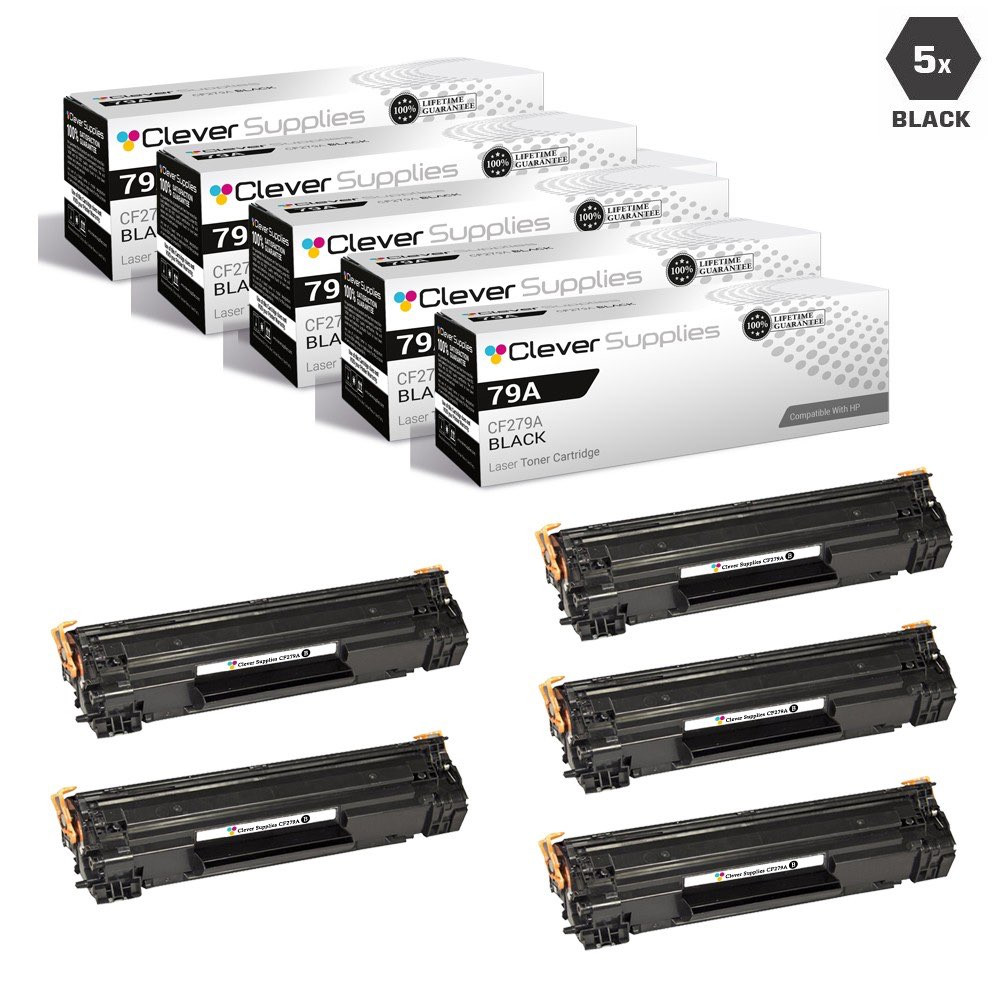
Five at $12.62 each — the whole box costs less than HP charges for a single genuine cartridge, and holds five times its rated pages.
Shop the 79A 5-Pack →
Four at $13.42 apiece — the middle depth of the ladder, one cartridge working and three in reserve.
Shop the 79A 4-Pack →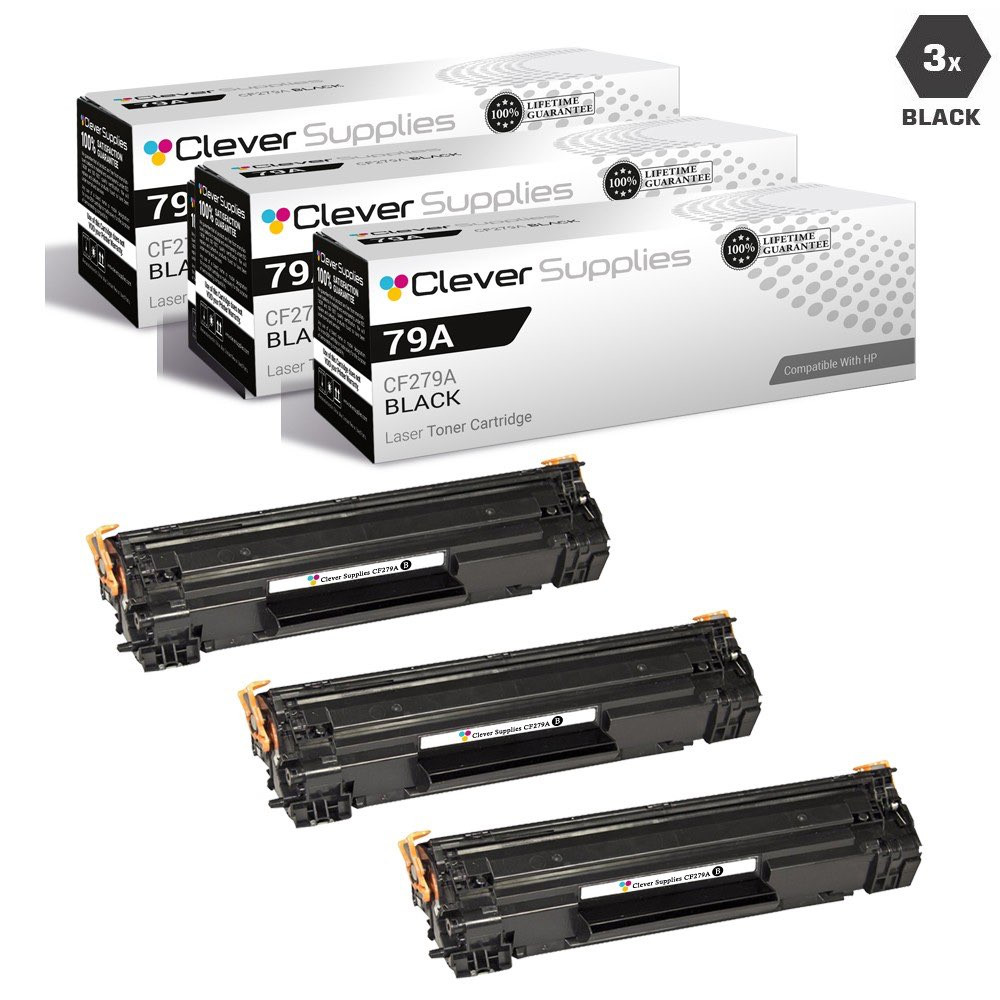
Three cartridges at $14.76 apiece — enough reserve to forget reordering for a good while, at a rate well under the single’s.
Shop the 79A 3-Pack →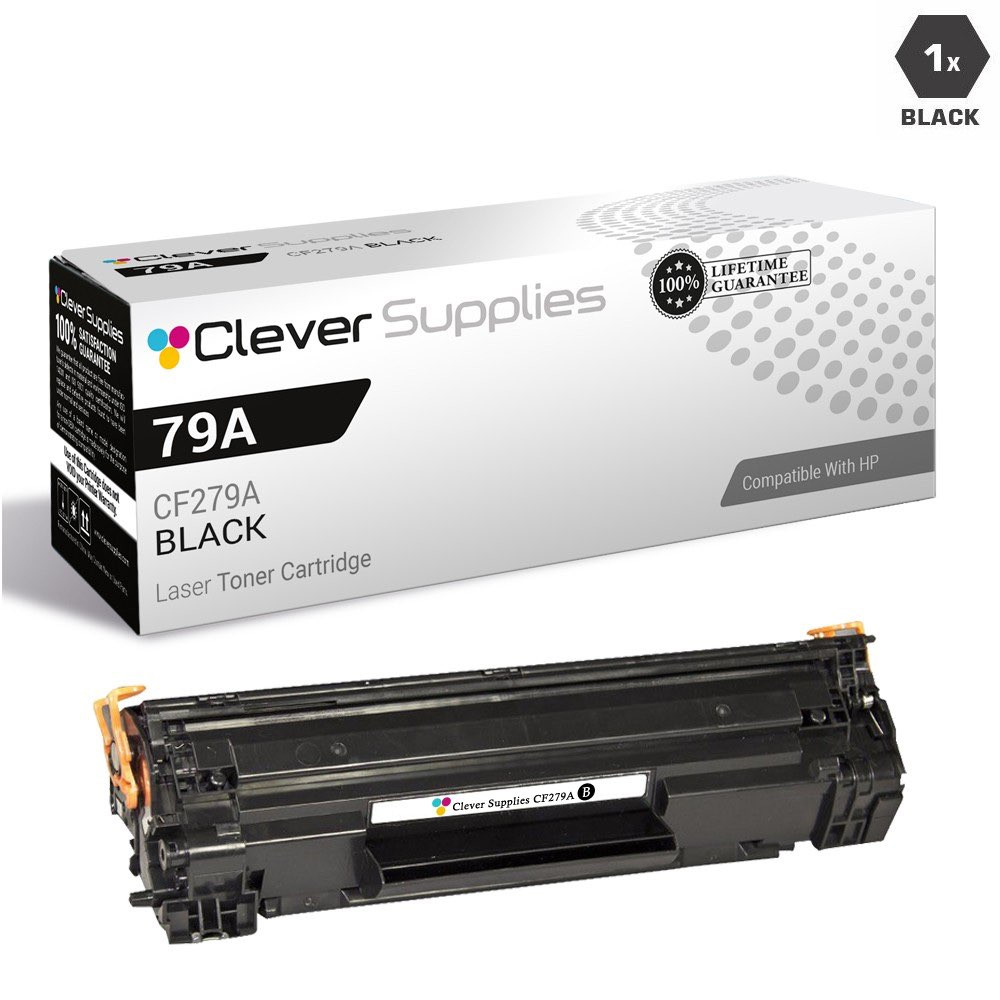
The cartridge on its own — the baseline every SAVE badge on this page is figured from, and the priciest route to the same 1,000 rated pages.
Shop the 79A Single →Follow the ladder from top to bottom and each deeper box pays a little better: 2.55¢ a page for the single, 1.10¢ inside the ten-box, with the per-cartridge price sliding from $25.48 to $11.01 between them. In plain cash, a buyer who orders ten cartridges one at a time spends $254.80 across those ten orders; the ten-box charges $110.10 once.
Nothing here is figured off a list price. Each rate and total begins at the sale price, the figure checkout actually charges; the shelf is sitting roughly thirteen percent under list as this page is written. Product pages run their own arithmetic from list instead, which is why their per-page numbers come out higher than the ones on this page.
The six offers, priced as sold
Yields in the table are HP’s own — approximate ISO/IEC 19752 averages that shift with what actually lands on each page. Pack totals simply add the cartridges inside the box; pack rates divide the sale price by that total, and the word blended marks a rate averaged across a whole box rather than read off one cartridge. There is no fit column, because there is nothing to fence: every row fits every machine on the roster.
| Offer | Sale price | Rated yield per cartridge | Cost per page | Saving vs singles |
|---|---|---|---|---|
| 79A 2-Pack — the flagship | $34.88 | Up to ~1,000 pages each | 1.74¢ blended | SAVE $16.08 |
| 79A 10-Pack | $110.10 | Up to ~1,000 pages each | 1.10¢ blended | SAVE $144.70 |
| 79A 5-Pack | $63.09 | Up to ~1,000 pages each | 1.26¢ blended | SAVE $64.31 |
| 79A 4-Pack | $53.69 | Up to ~1,000 pages each | 1.34¢ blended | SAVE $48.23 |
| 79A 3-Pack | $44.29 | Up to ~1,000 pages each | 1.48¢ blended | SAVE $32.15 |
| 79A Single | $25.48 | Up to ~1,000 pages | 2.55¢ | Bought one at a time |
With one tier, the table’s only story is depth, and two rows tell most of it. The flagship pair prints at 1.74¢ a page — about a third under the single — for an extra $9.40 over the single’s ticket. And the 5-pack, at $63.09, undercuts a single genuine HP cartridge by $16.90 while holding five times its rated pages.
A single slope: what depth does to the page rate
Two-tier families make a buyer weigh a step up in cartridge size before pack depth even enters the picture. Here there is no step to weigh. One cartridge and one rating mean the page rate is purely a function of box size: 2.55¢ for the cartridge bought alone, easing through 1.74¢, 1.48¢, 1.34¢ and 1.26¢ as the boxes deepen, and bottoming at 1.10¢ in the ten-box. Nothing else on the page moves that number.
Set against how these machines are actually used, the stakes are modest in dollars and larger in convenience. The M12 and M26 are light-duty machines; at a hundred pages a month, even the single’s top rate works out to about $2.55 a month, and a cartridge lasts the better part of a year. Depth still pays — the ten-box cuts that monthly figure to about $1.10 — but its quieter reward is ordering once instead of ten times. A busy desk printing several hundred pages a month feels both halves of that: the rate, and the shelf that never runs empty.
One rating, agreed everywhere — and a half-size starter
HP puts the CF279A at about 1,000 pages, an approximate average under ISO/IEC 19752 that moves — sometimes considerably — with the content of the pages printed. Every listing on this shelf repeats that number exactly; no product page here inflates it, so this page has no correction to make, and pack totals are simple additions: 2,000 pages in the pair, 10,000 in the ten-box.
The rating is also the whole range. A buyer looking for a bigger cartridge for these machines will not find one, because HP never made one: its catalogue for the M12 and M26 platform holds the 79A alone, at this one capacity. Third-party sellers elsewhere sometimes attach an X to the code, but no such HP cartridge exists, and none is sold here. Depth is the only route to a lower page rate on this platform.
A new machine starts short. Every model on this platform ships with an introductory cartridge of about 500 pages — half the replacement cartridge’s rating — per HP’s machine datasheets and its series product guide, and HP’s own ISO test report for the platform declares that introductory yield at 500 pages. The first reorder on an M12 or M26 therefore lands early in the machine’s life; whatever replaces the starter, single or ten-box, is a full cartridge.
HP’s US store, for scale, lists the genuine CF279A at $79.99 and shows it in stock: better than three times the compatible single’s sale price at the same published rating, and $16.90 above the price of this shelf’s whole 5-pack.
What 1,000 pages means in practice depends on the desk. At fifty pages a week, a cartridge runs about five months; at two hundred a week, a little over a month. Dense graphics and heavy coverage pull real output below the rating, which is why HP frames the figure as an average rather than a promise — and why the pack totals on this page are best read as planning numbers, not guarantees.
Five entry-level machines, one shared cartridge
HP states this family’s fit at series level — the 79A works with the LaserJet Pro M12 and M26 lines — and its series product guide resolves those two lines into five models. Every one of the five takes the same cartridge; there is no model on the roster that takes a different supply, and no exception anywhere in the five to fence off.
The printers: the LaserJet Pro M12a and the LaserJet Pro M12w, the platform’s two single-function machines.
The multifunctions: the LaserJet Pro MFP M26a, the LaserJet Pro MFP M26w and the LaserJet Pro MFP M26nw — print, scan and copy machines that draw on the same single cartridge as the printers above them.
One listing on this shelf needs a word here. The 4-pack’s own fit list names four of the five models and leaves the M26w off it, covering that machine only at series level. HP’s roster includes the M26w, the other five listings name it outright, and this guide follows HP: the cartridge fits all five. When in doubt, the cartridge coming out of the machine settles it: if it reads CF279A, every offer on this page fits.
Chips: one parts sentence on five of the six
Chip talk on this shelf amounts to a single sentence. Five of the six listings carry the word once, buried in a rundown of what the cartridge is made of — OPC drums, wiper blades, a smart chip, other internal parts, all of it new. The remaining listing, the 4-pack, leaves the word out entirely. A bill of materials is not a promise that a printer will accept the cartridge, and nothing on the shelf says a word about firmware.
HP is no more forthcoming. Its cartridge and machine pages for this platform carry no dynamic-security wording at all — these are 2016 machines, outside the generations that language belongs to — so this guide makes no claim about chip acceptance in either direction. The commitment the listings do make is about remedy: a one-year warranty and a year of free returns. The store’s HP monochrome toner chip compatibility page covers CF279A as part of the wider monochrome range.
The cover standing behind all six
Six offers — which one earns the order
Questions the M12 and M26 platform raises
No. HP’s range for the M12 and M26 platform is one cartridge — the 79A, rated at about 1,000 pages — and no larger tier exists in its catalogue or on this shelf. Sellers elsewhere sometimes attach an X to the code, but HP sells no such cartridge. On this platform the only way to lower the per-page rate is a deeper pack.
No — the whole platform starts on a short cartridge. HP’s datasheets and series guide put an introductory cartridge of about 500 pages in the box, half what a replacement carries. Expect the first low-toner warning early; that is how the machine is sold, not a defect, and every replacement cartridge on this shelf is a full one.
Yes. HP’s roster for this family includes the M26w, and five of the six listings on this shelf name it outright. The 4-pack’s own fit list leaves the model off, naming it only at series level — an omission in that listing’s text, not a restriction on the cartridge. The same cartridge fits all five models.
Because the cartridge is small by design: about 1,000 rated pages is the platform’s capacity, in machines built for light duty. The absolute money stays small with it — a hundred pages at the dearest rate here costs about $2.55 — and depth brings the rate down to 1.10¢. Owners of heavier machines pay less per page because their cartridges carry several times the rating.
Different inputs. The product pages divide list prices — the single’s text works from $29.30 and lands near 2.9 cents a page — while this guide divides the $25.48 that checkout actually charges, landing at 2.55¢. As long as the markdown lasts, the sale figures are the ones that describe the transaction; if it ends, the product pages’ numbers take over.
Send it back. A one-year warranty and a year of free returns stand behind every offer here, and the cover runs cartridge by cartridge — the last unit out of a ten-box is protected from the day it goes in, not the day the box arrived. Support is staffed Monday to Friday, 9 AM to 5 PM Central while a return is set up. Keep the packaging until the cartridge has proved itself in the machine.